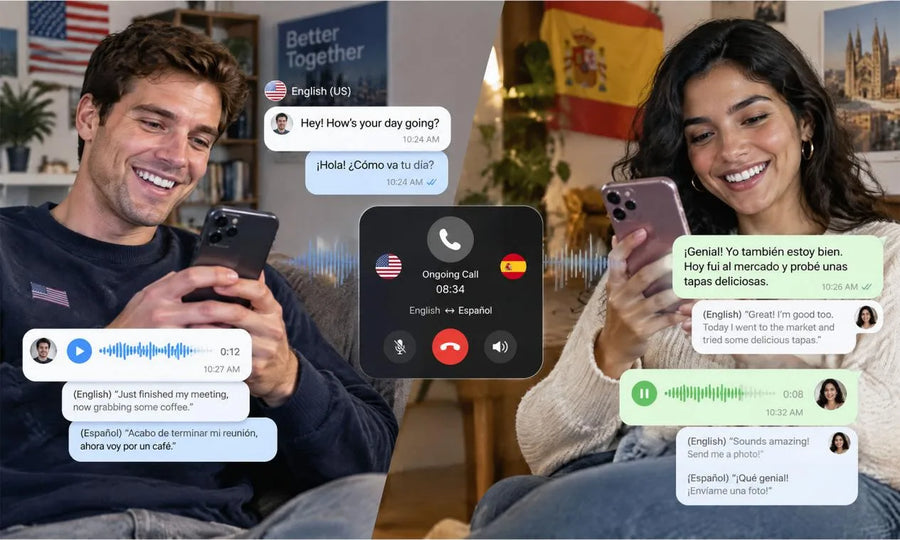

Voice cloning in a translator device is AI that recreates your voice for translated speech. For anyone asking what voice cloning in translation is, AI learns your approved vocal traits and uses them when speaking your message in another language.
How Does Voice Cloning Work?
Voice cloning works through three connected stages: voice capture, language understanding, and personalized speech generation.
- Record Your Voice: You provide a clear sample in your natural speaking style. AI voice cloning studies pitch, rhythm, pronunciation, pacing, and vocal energy.
- Translate Your Message: The device recognizes your spoken words, converts speech into text, and interprets the meaning in your chosen language. Research on speech-to-speech translation shows how speech recognition and translation can work together across languages.
- Generate Personalized Audio: The translated message becomes spoken audio shaped around your voice profile. Research on cross-language voice cloning demonstrates how vocal traits can carry across different languages.
How AI voice cloning works for translated speech comes down to a smooth handoff between speech recognition, language translation, and speech synthesis. Your original voice gives the translated result a more familiar sound.

What Does Voice Cloning Add to Translation?
Voice cloning adds personality, familiarity, and emotional continuity to translated conversations.
- A Familiar Tone: Your translated voice can carry warmth, confidence, excitement, patience, or care.
- A More Personal Conversation: Friends, family members, coworkers, and clients can hear a style closer to your usual delivery.
- A Stronger Personal Presence: Your identity remains more present when you speak across languages.
- A Consistent Experience: Your voice profile can create a similar sound across calls, voice notes, meetings, and messages.
- A More Natural Exchange: Familiar vocal cues can help multilingual conversations feel more comfortable.
Translation carries meaning from one language to another. Voice cloning carries more of your vocal character along with the meaning.
Does Voice Cloning Improve Translation Accuracy?
Voice cloning improves the delivery of translated audio, while speech recognition and language processing shape translation accuracy.
| Translation Stage | Main Function | Effect on Accuracy |
|---|---|---|
| Speech Recognition | Captures your spoken words | Strong recognition supports clear input |
| Language Processing | Interprets meaning and context | Strong context handling supports suitable wording |
| Translation Output | Produces target-language text | Clear phrasing supports understanding |
| Voice Cloning | Gives the audio your vocal style | Familiar delivery can improve listening comfort |
Clear speech can support stronger recognition. Short pauses, direct wording, and a calm environment can help a translator capture your message with greater clarity.
Voice cloning gives translated speech a more personal sound. Accuracy comes from the combined quality of speech recognition, context awareness, and translation technology.
How Is Voice Cloning Different From Text-to-Speech?
Voice cloning uses your personal voice profile, while text-to-speech uses a general synthetic voice.
| Feature | Voice Cloning | Text-to-Speech |
|---|---|---|
| Voice Source | Your approved voice sample | A selected digital voice |
| Personal Style | Reflects elements of your tone and pace | Uses a standard speaking style |
| Best Use | Personal conversations and translated speech | Reading support and general narration |
| Language Experience | Helps your voice feel present across languages | Delivers clear spoken text |
| Setup | Requires a voice sample | Works with a chosen voice setting |
Text-to-speech gives you a polished digital narrator. AI voice cloning gives your translated message a voice shaped around your own vocal identity.

How Can You Use Voice Cloning Responsibly?
Responsible voice cloning begins with clear permission and careful account habits.
- Use Your Own Voice: Create a voice profile from your own approved recording.
- Ask for Clear Consent: Get direct permission before creating a profile for a family member, coworker, student, performer, or client.
- Protect Your Account: Use a strong password, keep your device secure, and review app privacy settings.
- Review Your Recordings: Manage recordings and voice profiles as your communication needs change.
- Verify Urgent Requests: Treat unexpected money requests with care, even when a caller sounds familiar. Consumer fraud guidance covers cloned-voice emergency scams.
Synthetic audio deserves thoughtful use. The National Institute of Standards and Technology identifies synthetic content as an important topic for information integrity and safety.

Where Is Voice Cloning Useful?
Voice cloning is useful whenever your translated speech benefits from a familiar human presence.
- During Travel: Ask for directions, order meals, and speak with local hosts in a voice that feels familiar.
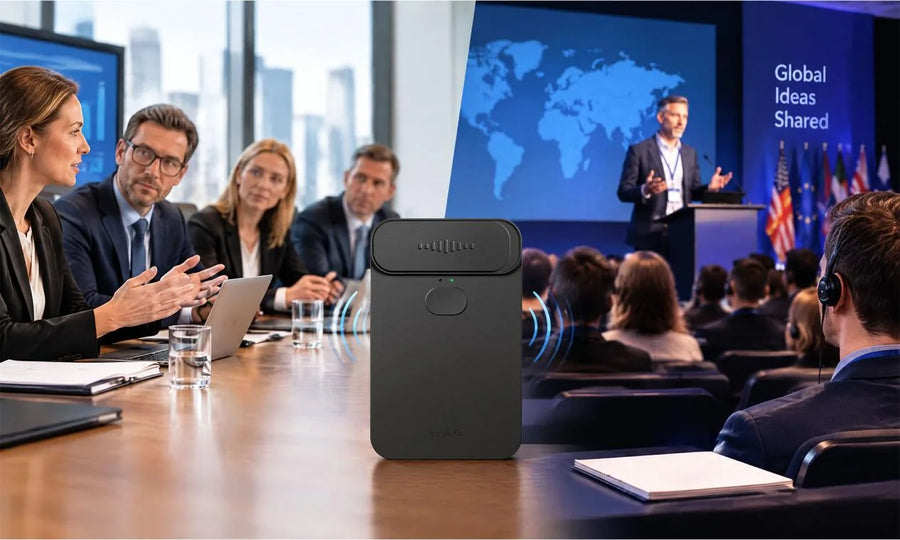
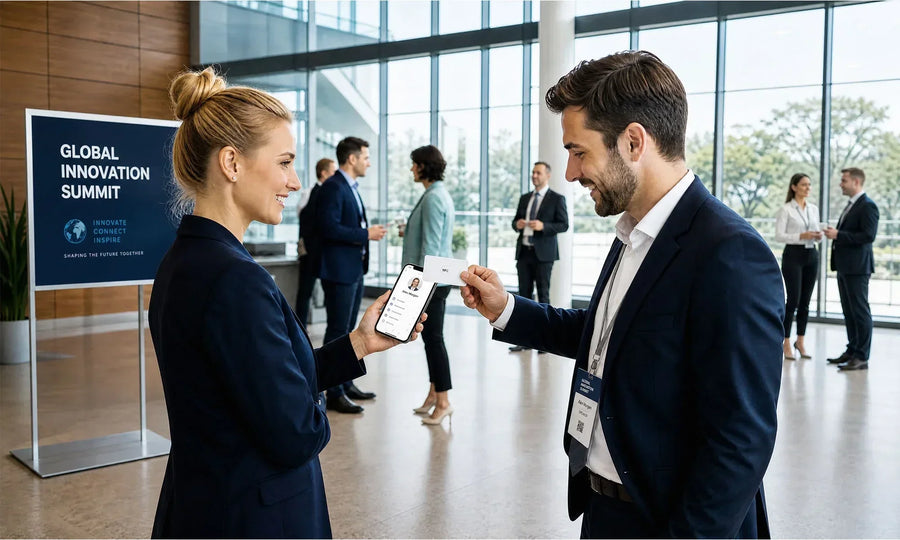
- At Work: Share updates, join client calls, and present ideas across language boundaries.
- With Family: Send warm voice messages to relatives who speak another language.
- In Education: Support multilingual tutoring, study groups, and classroom discussions.
- For Content Creation: Share translated introductions, community updates, and short audio messages with a consistent voice.
- In Customer Communication: Deliver welcoming service messages across different languages.
A compact voice translator device can keep translation close at hand during work, travel, study, and daily communication. Explore AI translation tools for multilingual communication when you want translation and personalized voice features in one mobile experience.
Bring Your Voice to Every Language
Voice cloning gives translated speech more of your tone, personality, and human presence. Choose a translation tool that supports your language needs, create your voice profile with care, and bring a more personal sound to every global conversation. Voice cloning works best when it supports clear, respectful communication. Use your voice with care, protect your account, and enjoy a more personal way to speak across languages.
FAQs about Voice Cloning
Q1: Can AI Clone My Voice From a Short Recording?
Yes. Many modern tools can create a basic profile from a short and clear recording. A longer sample may offer more variety in expression, pace, and tone. Record in a calm location and use your everyday speaking voice, especially when you want the profile to reflect your usual communication style.
Q2: Can I Edit a Voice Clone After Setup?
Yes. Many tools allow you to create a new voice profile or replace an earlier recording. A fresh sample can help when your first recording included background sound, unusual pacing, or temporary vocal changes. You can also create separate profiles for different speaking styles when the app supports multiple voice slots.
Q3: Can Voice Cloning Pronounce Names Correctly?
Yes, often. Clear pronunciation during your original speech gives the system useful guidance for familiar names and locations. For uncommon names, acronyms, or technical terms, speaking slowly can help. For uncommon names, acronyms, or professional terms, speak clearly and review the translated text before sending an important message.
Q4: Can I Use Voice Cloning for Podcasts?
Yes. Voice cloning can support multilingual podcast intros, episode previews, creator announcements, and short audience messages. A familiar voice can help listeners recognize your style across languages. For longer episodes, review the translated script and audio before publishing so names, timing, and cultural references fit your audience.
Q5: Can Voice Cloning Be Used for Children?
Yes, with active adult involvement and clear permission from a parent or guardian. A child’s voice deserves extra privacy protection because voice data is highly personal. Use secure tools, limit access to recordings, and focus on age-appropriate uses such as family communication, language practice, and learning activities.